We Do Green

AMBIENCE

Posted by Agus Hariyono

Dalam hal atau suasana apapun, agaknya tidak berpengaruh

Iseng

GENTELMAN

Posted by Agus Hariyono

Kadang tergesa - gesa, kadang mengacuhkan,
kadang pula membuat orang merasa tersinggung,
padahal hatinya ingin sebuah kesopanan dan kelembutan

iseng

URGENT

Posted by Agus Hariyono

Suka hal - hal penting padahal gak penting
dan selalu dibuat lebih penting lago

iseng

SURGE

Posted by Agus Hariyono

Walaupun seiring dengan kesusahan ini, matipun tak akan terbayang

HURRY

Posted by Agus Hariyono

Orang yang sangat tergesa - gesa,
tergopoh - gopoh, itulah aku.

Showing posts with label Notes. Show all posts

STOP GLOBAL WARMING

ditulis oleh artnya On Saturday, November 21, 2009 0 komentar
Black in News >>>
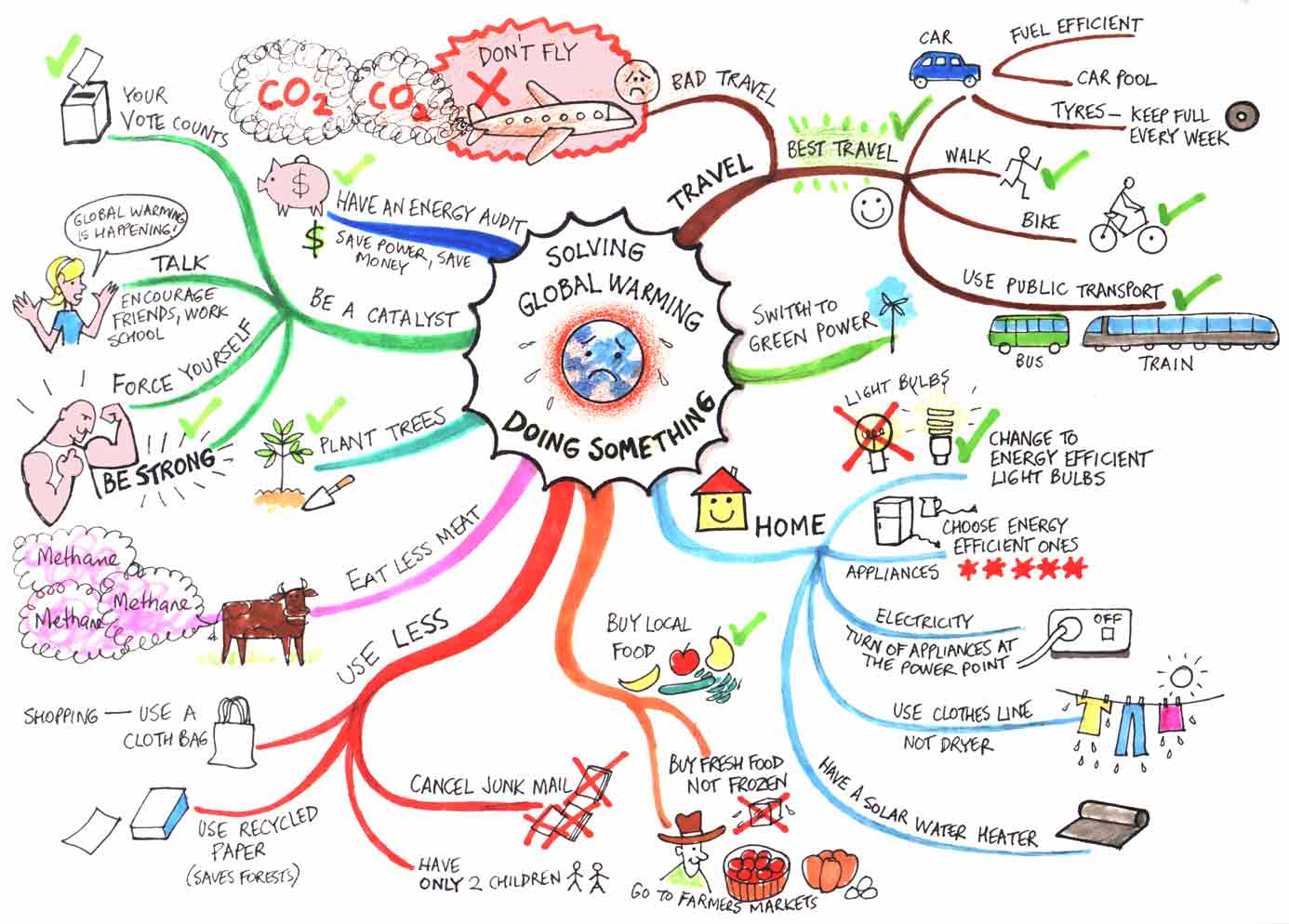
Autoblackthrough .... SOLVING GLOBAL WARMINGJADILAH VEGETARIAN!!!
LAKUKAN PENGHIJAUAN!!!
Masak gak terasa sih?
Hujan badai dan hujan es, tsunami, gempa bumi, mengganasnya lumpur lapindo, keluarnya bola-bola api di lautan, gagal panen, epidemi 30 jenis penyakit baru (exp; flu burung, sapi gila, flu babi, dst), makin mewabahnya penyakit yang disebabkan serangga(exp: demam berdarah, malaria, cikungunya), banjir dan kekeringan, perubahan iklim yang ekstrim, mencairnya es di kutub, permukaan air laut meninggi, abrasi pantai, kesulitan air bersih, jatuhnya perekonomian.

Trus, trus apa hubungannya ama kita - kita (situ ok!!! hahaah) toh kita juga masih sehat walafiat juga kan? Tapi...

Kata Mr. Stephen Hawking, ahli fisika kelas dunia, "Hati - hati..., ancaman perang nuklir sudah lenyap, tapi bakalan ada yang jauh - jauh lebih parah. Kalo perang dunia hanya membunuh ratusan ribu orang tapi pemanasan global bisa membunuh jutaan orang ...."

Sedangkan Mr. Gregroy R dari Universitas ternama di AS, Northwestern, lebih serem lagi nyeplosnya, "Pemanasan Global bisa menyebabkan ledakan gas metana yang besarnya 10.000 kali lipat dari pada ledakan yang ditimbulkan seluruh nuklir di dunia. Juga dapat menyebabkan lautan api dan banjir yang maha besar dan juga menjadi penyebab kepunahan 90% spesies laut dan 75% spesies dara."

Ngebohong kali tuh orang, masa sih?
Mr. Zwally dari NASA, "Es kutub akan lenyap pada akhir musim panas 2012. Konon es kutub berfungsi memantulkan 80% panas matahari yang sampai di bumi. Kalau es menyusut, maka air laut makin hangat, bumi makin panas. Trus.... gas metan terlepas di lautan. Gas itu ternyata sangat banyak dan cukup untuk membunuh semua spesies di dunia"

Hiiii... jadi sereeeemmmm banget kan? Sekarang saja sudah begitu banyak bencana dan masalah terjadi, sungguh tak terbayangkan bila kelak semua es di kutub menghilang? wawwwww serem, ngebayang pelm 2012 ajah....


Web 2.0 (part3)

ditulis oleh artnya On Friday, November 13, 2009 2 komentar

Blogging

When Strom Thurmond ran for president, we voted for him. We’re proud
of it. And if the rest of the country had followed our lead, we wouldn’t
have had all these problems over the years, either.
—Senator Trent Lott, December 5, 2002


Black In News..... Autoblackthrough .... BLOGGINGThis statement from a Mississippi senator at the one hundredth birthday of former South Carolina senator Strom Thurmond may sound like benign birthday flattery—if it weren’t for the fact that Thurmond’s 1948 presidential campaign promoted racial segregation. A young ABC News reporter assigned to cover the event concluded that Lott’s comment might imply that he also supported segregation. The reporter thought he had a major news story. But ABC’s senior staff disagreed, deciding to run the story briefly on television at four-thirty in the morning and to publish a short piece about it on its Web site. By the next day, the story was effectively dead in the mainstream press.

But it did not go unnoticed in the “blogosphere,” that massive decentralized group of people who publish online personal journals. Several politically oriented bloggers read the story and began to investigate. They found that Lott had voted against the renewal of the Voting Rights Act and the Civil Rights Act; opposed the Martin Luther King holiday; affiliated himself with the Council of Conservative Citizens, classified as a hate group by the Anti-Defamation League; and wrote articles for publications espousing white separatism.

Bloggers filled in details that were missing from the original report, and the story spread rapidly across the Internet. Within a week, thousands
of bloggers had republished it, and many called for Lott’s resignation. Sensing a grassroots groundswell, the mainstream press ran the story again, only this time reporters added the historical details that bloggers had uncovered. The press turned the issue into a full-blown scandal. Lott quickly lost the support of the White House and his Senate colleagues; he resigned as Senate Republican leader on December 20, 2002

Bloggers had arrived: their intense focus on an obscure story forced it to national attention. Mainstream media were no longer the sole conduit through which current events became News.

For many people, particularly youth, blogging is more than a source of political news; it is a mechanism for self-expression, identity formation, and entertainment. According to a recent Pew Internet and American Life survey, about twelve million Americans keep a blog, and fifty-seven million Americans read them. Over half are under the age of thirty, and most view blogging as a creative way to share their experiences with others. The impact of blogging in the political and social spheres has been so sudden and wide reaching that social scientists, marketers, politicians, and many others are struggling to understand how it affects their domain.

Although blogging’s role in modern life is complex, its premise is simple. Blogging software makes Web publishing easy. Once the province of highly technical webmasters, Web publishing is now about as difficult as sending an e-mail. Within ten minutes, anyone with access to a computer can create a blog, publish an article, and call themselves a blogger. One key innovation of these publishing systems is that they allow the reader to talk back. After every article, a “comments” area invites written response. Popular blog articles have become long conversations between readers and the original author.

Over the past several years, blogging has evolved into a distinct literary and media form. Although there is no official body that determines what qualifies as blogging, bloggers generally value personal and authentic language, are willing to listen to and allow criticism in comments, write frequently, and participate in the community of bloggers by writing comments on related blogs. The first blogs took the form of personal diaries. Today, however, businesses, politicians, and nonprofit organizations use blogs for a variety of purposes. Growth has been explosive: fewer than fifty blogs existed in 1999, but now over seventy million populate the Internet.

This chapter explores the ways organizations have used blogs to achieve mission-related objectives and build relationships with bloggers. Bloggers can profoundly affect public perception of a candidate, issue, or organization. It’s vital to establish credibility and connection with the blogging community in order to have a voice in this increasingly important forum.

How Organizations Are Using Blogs

Starting an organizational blog is one of the fastest routes for telling the story of your candidate or cause, demonstrating expertise in your field, and engaging supporters in conversation. They are easy to set up and inexpensive to maintain. For many organizations, blogging may be the ideal gateway to participation in the Web 2.0 movement.

As a point of introduction to blogosphere vernacular, posts is the term used to refer to blog writings. The word is used interchangeably as a noun and verb—for example, “Don’t bother me, I’m working on a blog post” or “I’ll be ready to eat dinner after I post to my blog.” I’ll employ these linguistic conventions throughout this chapter.

Providing Limited Participation in a Story

Mitt Romney’s “Five Brothers” blog lies at the heart of his presidential campaign’s Internet strategy. In shades of the Brady Bunch, Romney’s five sons write about their dad, the issues they face, and life on the campaign trail. Tagg, the eldest at age thirty-seven, loves the Red Sox and has three kids. Craig, the youngest at twenty-six years old, would like to meet Conan O’Brien someday. On the day I visited the blog, Josh, thirty-one, had just posted a photo of himself and his two children visiting a state fair in Iowa. A funnel cake stand was illuminated in the distance. You could almost hear the American flag flapping gently in the wind and the sounds of the carnival rides. Without sounding scripted or “spun,” the blog reinforced Romney’s key campaign message: family values.

From a communications standpoint, the Romney campaign has scored a big hit. The blog medium helped the campaign deliver a message that sounds (and probably is) authentic. At the same time, it’s also a message that has been carefully crafted to contrast Romney against his twice-divorced competitor, Rudolph Giuliani, who no longer speaks with his adult children.

The mainstream media have picked up on this angle in dozens of articles and television spots. They echo the family values sentiment in such statements as this from the Times Online: “The brothers are so handsome and wholesome that they bring to mind the Osmonds,” and this from the Washington Post: “Wholesome does not really begin to describe the five adult children of Republican presidential candidate Mitt Romney, who for the past few weeks have been sharing such details on Five Brothers.” If nothing else, the blog serves as a continuous feed of the family values message to the press. But it’s also a hit with supporters. According to rankings from Alexa.com, the blog is the most popular part of Romney’s Web site outside the home page.

From a technical perspective, the Romneys are using blog software to publish content to the Web. It provides the brothers with a simple tool for posting new material every day. The campaign hired a designer to make the blog look good, and the software does the rest.

However, the blog provides the campaign with more than a Web publishing system: it offers a framework for telling a story. Blogs add a date and time stamp to each article and insert the most recent article at the top of the page. This reverse chronological structure creates a serial-like quality which suggests that a new installment is coming soon. The Romneys don’t need to invent new ways to keep supporters interested; the blog automatically provides a known storytelling device.

Before reading a word, experienced blog readers expect the Romneys’ blog to offer an honest, personal, and straightforward account. Organizations that rehash promotional writings better suited for marketing brochures find that blog readers are extremely critical. Readers will berate these as “fake blogs” or “flogs.” Generally, the Romneys’ blog does meet readers’ expectations, although it runs some risk of being perceived as a flog, for unlike most blogs, it limits interactions between authors and readers. Comments are accepted, but controversial ones are left unanswered. The Romneys have responded to a question about campaigning on Sundays as Mormons, but ignored a question asking about the brothers’ willingness to volunteer for the Iraq War However, they don’t delete these questions. The campaign successfully walks the line between marketing and authenticity by leaving challenging comments on the site.

The blog gives the campaign an approachable and personable face while telling a great ongoing story. It keeps supporters engaged while avoiding “off-message” conversations. It may be possible to increase youth engagement by making this interaction richer, but the Romneys manage to make effective use of their blog while staying within the limits of their comfort zone and campaign strategy.

Offering Deep Participation and Social Connection

Amnesty International aims to engage and connect human rights activists around the world. It has 2.2 million members in more than 150 countries. Traditionally, the organization used newsletters and e-mail alerts to communicate with members. Although these media worked, Amnesty felt uncomfortable being the “sole authoritative voice” and wanted to create a more balanced relationship between staff and activists. In contrast to Romney, the organization thrives on community driven conversation and debate. Starting a blog was a natural fit.

The Amnesty blog features five topic areas and engages readers in a lively discussion via comments. Blog posts convey timely news, upcoming Amnesty events, and ways to take action. Although Amnesty continues to offer authoritative analysis, it also invites supporters to create dialogue around that analysis. Amnesty starts the story, and supporters then make it their own.

Amnesty’s blog gives activists a source of inspiration and a space to connect with one another. By playing host, Amnesty is able to take the pulse of activist thought and action. It monitors and participates in these discussions in order to inform future action. Compared with a newsletter or e-mail alert, the blog offers a much richer forum for dialogue, community building, and learning.

One of Amnesty’s key objectives is to encourage offline action, which the blog achieves. On the day I visited, a recent post in the “Student Activism” area called for students to spend some of their summer vacation sending postcards. Another article reported the successes of the previous summer’s postcard-writing campaign, which resulted in the release of five prisoners of conscience from Belarus and Israel. Amnesty’s blog both asks for participation and shows results from past involvement, a method of engagement often called “closing the feedback loop.” The loop begins when a supporter takes action and closes when the organization shows the results of that action.

Organizations often fail to close the loop due to limited time or financial resources. However, it’s one of the most effective methods for retaining and engaging supporters. Young supporters want to know that their efforts have not gone to waste, and the blog offers an inexpensive and quick way to close the loop. Whereas the Romney campaign considers conversation around difficult issues a potential risk, Amnesty thrives on this type of discussion. Dan McQuillan, Amnesty’s interim Internet director, says that the organization is still in the process of exploring social media, but that thus far, use of such technology as blogging has led to richer conversation around human rights issues, generated action, and resulted in access to new audiences.


Web 2.0 (part2)

ditulis oleh artnya On Wednesday, November 11, 2009 0 komentar

Who Should Read This Blog?

Autoblacktrougt >>> Mobilizing Generation 2.0 describes the intersection of Internet technology, social change, and young people. If you’re curious about any one of these areas, this blog offers a rich set of practical information. And if you’re working with or leading an organization that intersects with all three of these areas, this guide should help you do your work more effectively. Although many others may find it valuable, including for profit companies, the blog is oriented toward the following people:

Nonprofit and Political Leaders If you’re leading a nonprofit organization or running for or holding public office, this book explains what you need to know about young people’s use of the latest Internet technologies.
For a quick overview, read the beginning of each chapter for a succinct description of the technology and how organizations are using it, then turn to the “Strategic Considerations” section for guidance about how to use the technology to fulfill your organization’s mission, recruit new supporters, engage constituents, or win more votes.

Nonprofit and Campaign Staff Members If you’re in the trenches working for a cause or a candidate, this blog gives you the know-how to get started with the latest tools. You might focus on the How It Works and How to Get Started sections in each chapter to begin putting the technology into practice in your organization; read the entire chapter for fresh new ideas.

Those Who Work with Youth The entire blog is invaluable for understanding young people’s social and political lives. If you work with youth, you know that Internet technology is central to their daily routines. Read this blog to understand how these new tools are empowering creativity, social connection, and activism.

Anyone Interested in Big New Ideas This blog offers insight into how people are using the technologies that are driving radical changes in our society, politics, and economy. Over the last 150 years, we’ve moved slowly from a society that values industrial goods to one that primarily values information. And within just the last ten years, technological innovations have begun to shift the means of production to average people. Sitting in our living rooms, we can reach, inform, and educate millions of our peers. Look to the conclusion of each chapter for a summary of the key changes, and to the Big Picture essays and interviews from leading technology visionaries for a view of what’s to come.


How to Read This Blog

This blog is intended to serve as a creativeblog. It introduces you to the various technologies popular among youth and shows how they’re used in practice by nonprofits, political campaigns, and the occasional for-profit.

I’m assuming that you have a set of organizational objectives and are looking for tactics to achieve those objectives. In this case, you may be asking such questions as, “I’ve heard about social networks. I wonder if there’s a way we could use one to achieve our goals?” The structure of the blog works well to answer these types of questions. (Please note, however, that although the division of chapters by technology is helpful for the purposes of the blog, few organizations would seek to use a technology in isolation.) The chapters discuss the following topics:

Blogs are simple Web publishing systems that enable nontechnical people to create Web sites in the format of a personal diary. In Chapter One, we’ll look at how blogs are becoming the primary tool that young people use to frame and share observations about politics, relationships, and the world in general. Over the last several years, blogs have grown into a major alternative source of information, vying with the commercial mass media in terms of their ability to frame current events. In order to become effective in the political space, politicians must understand the role of blogs and engage the blogging community. Nonprofits have discovered that maintaining a blog has numerous benefits, such as involving young supporters, strengthening community ties, and advancing key issues.

Social networking sites allow people to create personal profiles, mingle with friends, and define an identity online. In Chapter Two, we’ll look at how these Web sites have become “third places” similar to coffee shops, bowling alleys, and roller rinks; they are places where young people “hang out.” In the process, they define their identities, form connections with peers and organizations, and learn about and undertake civic action. To understand young lives, you need to understand
social networks. Organizations have been conducting campaigns on these networks, with varying success, to recruit young activists, promote issues, and raise money.

Video - and photo-sharing sites, which we’ll explore in Chapter Three, are Web sites that enable people to publish and share videos and photos easily. The widespread ability to view, create, and share these forms of media has established a vivid new avenue for online conversation. Videos and photos offer a sense of realism and authenticity that was not available in the text-focused World Wide Web of yesteryear. Online video’s unassailable and widely accessible replaying of events has toppled several political careers. At the same time, video and photo sharing has enabled organizations and politicians to engage more deeply with supporters. Mobile phones have become woven into the social fabric of youth life. In Chapter Four, we’ll discuss text messaging—the short messages that are like e-mail for mobile phones. Text messaging has become a primary method of communication among young people. It offers immediacy unrivaled by any other technology—you can send and receive a text message from any place, at any time. Using text messaging, political campaigns and organizations have been able to cost-effectively mobilize and recruit supporters. This chapter also discusses several other features available on most mobile phones.

Wikis are Web sites built through ad hoc collaboration. In Chapter Five, we’ll discuss the ways in which wikis can be used to aggregate knowledge and coordinate efforts. Wikis also exemplify how a decentralized group of people, connected to one another by the Internet, can jointly produce a work as great as, or greater than, one produced by a traditionally structured hierarchical organization. There is more to be gained by putting trust in supporters than by exerting tight managerial control.

Online maps offer much more than driving directions. In Chapter Six, we’ll explore the wide range of possibilities that online mapping offers to politicians and nonprofits. Maps reveal powerful patterns and relationships previously hidden in a sea of data. New online mapping tools are easy to use, inexpensive, and a great way to support advocacy campaigns.

Virtual worlds are three-dimensional representations of reality . . . and fantasy. Although they may seem like games, they are places in which real social lives unfold. People purchase property, build homes, meet one another, conduct business, and generally live their lives in these places. In Chapter Seven, we’ll look at several entrepreneurial organizations that have conducted successful advocacy and fundraising campaigns in virtual worlds. Be forewarned, however, that virtual world
successes are few and far between. Challenges are numerous.

The Conclusion synthesizes the topics, strategies, and trends discussed throughout the blog. It wraps up with a view toward the future. The Big Picture is a series of essays and interviews that run between each chapter. Leading thinkers in the fields of nonprofit organizations, technology, and politics take a step back to look at the big ideas shaping the online world today and tomorrow.


Web 2.0 (part1)

ditulis oleh artnya On Wednesday, November 11, 2009 0 komentar

What Is Web 2.0?

Black In News .... Web 2.0
Autoblacktrougt >>> The tools discussed in each chapter are generally referred to as Web 2.0 technologies.8 The term refers to a group of popular technologies that survived the dot-com bust, so-called 2.0 because they pick up from the previous generation of technologies invented during the last wave of Internet innovation (circa 1995–2001).

If you’ve been keeping up with political, nonprofit, or business news, you’ve probably seen the term attached to just about everything. By now it’s a buzzword that people use when they want to demonstrate that they really know what’s going on with technology. It’s used to describe Web sites, businesses, and (gasp) even books.

Despite its sometimes indiscriminate use, the term Web 2.0 remains a useful one because it describes not only a set of popular Internet technologies but also the phenomenon of a group of people who believe that we are entering a new era. Seeking a more descriptive label for Web 2.0, some people call it the “social web” or “live web,” but regardless of the wording, there is a general sense among technologists, legal scholars, economists, and sociologists that tremendous societal shifts are under way—and that recent Internet technology has a lot to do with it.

For the purposes of this book, I’ll use the term to describe the technologies and software applications that are empowering these changes. Each chapter of the book covers one or more core technologies. I’ll also use Web 2.0 to refer to the broader movement defined by shifts in the ways that technology is developed and used. The following list broadly outlines trends and attributes that characterize the Web 2.0 era.
  1. A massively connected world. Over one billion people have access to the Internet. More than 50 percent of U.S. citizens have broadband access. Most Web 2.0 software applications rely on there being a vast number of people connected to each other via the Internet.
  2. The network effect. One of the practical effects of a massively connected world is that as more people use a software product or service, it becomes more valuable. Some software has been specifically designed to harness the “collective intelligence” of its many users.
  3. Users as cocreators. People are no longer simply readers of online materials; they are also writers and creators. Their contributions enhance the value of the software and services they use.
  4. Decentralization. Despite the fact that people who use the Internet are located all over the globe, when they act together, either intentionally or unintentionally, the combined force of their actions can have a tremendous effect and influence. This same trend is observed within organizations as individuals gain avenues to lend their expertise without need for strict workflow and hierarchical management.
  5. Openness. Many parts of the Internet, such as data and software, are becoming available to people who want to make use of them, at little or no cost. Using nonproprietary standards, it’s easier than ever for organizations to share their wealth.
  6. Remixability. Because so much of the technology is free and open, software developers assemble new software by using bits and pieces of other people’s work. These new creations are typically called mashups.
  7. Emergent. In the past, software consisted of predefined sets of actions, processes, and behaviors. Its designers decided how you would use it. Web 2.0 software offers looser structures and relies on its users, rather than its designers, to come up with ways to use it.
  8. Rich experiences. Web sites are full of video, photos, and vibrant visual environments. They’re coming ever closer to approximating real-life experiences.
  9. The Web as a platform. In earlier years, using software that ran in a Web browser (in other words, any Web site) was a slow and stilted experience, whereas software that ran on your desktop was much smoother and more reliable. This gap is closing as Web sites run more like desktop software, and more software makers are choosing to launch their applications on the Web.

Why Focus on Campaigns?

I use the term campaign throughout this book to refer to any activity that is intended to fulfill an organizational objective. Traditionally, the term is used in the phrase “political campaign,” which specifically refers to an effort by an organization to elect a candidate. Although this book discusses political campaigns, I also use the term more generally as in “a campaign to raise funds for fighting cancer” or a “campaign to stop the seal hunt.”

Typically, an organization will use Internet technology to support some part of a campaign. For example, Rock the Vote sends a text-message reminder to vote on Election Day. It also makes phone calls, organizes street teams, and runs public service announcements on the radio. Text messaging is one part of its broader get out the vote campaign.

I’m assuming that your organization structures its strategy and activity around something approximating my definition of a campaign. You may call them initiatives or programs, but whatever the term, these efforts are the core work of your organization.

Amnesia Sesaat yang Menyesatkan

ditulis oleh artnya On Wednesday, November 11, 2009 0 komentar
BLACK IN NEWS >> Malam 10 Nopember 2009 tepatnya pukul 20.45 BBWI, seusai bantu mengerjakan tugas adik kelas Wasilatul Aliayah (Sila), salah satu Mahasiswi UIN Syarif Hidayatullah tentang tugas Bank Syari'ah dan Bank Konvensional yang terdiri dari Bank Garansi dan Gadai yang aku muat di note facebook... serta membantu menyelesaikan masalah dari temenku yang bernama Anne Putri Harini (Nne) salah seorang Mahasiswi Universitas Padjadjaran Bandung yang mendapat Beasiswa Full dari Pemerintah Daerah Kepri atas UN yang mendapatkan Rengking 1 tingkat Provinsi, si Anne ini mempunyai masalah yang pelik dengan someone-nya dan curhat dengan saya di facebook chat.

Tugas yang saya buatkan untuk Sila sudah selesai, tapi dia masih ngajak ngobrol tentang berbagai persoalan Bank Syari'ah tadi, dia ingin sekali dapat mengunjungi Bank Syari'ah untuk menanyakan proses dari Bank Garansi Syari'ah, tetapi berhubung tugas kampus yang dia kerjakan harus dikumpulkan 11 Nopember 2009 akhirnya hanya menjadi angan.

Begitu juga dengan Nne, permsalahan dengan someone-nya yang kadang pasang-surut membuat si Nne ini kelimpungan, dia selalu punya teman curhat yaitu Mamannya, tetapi berhubung ini tentang "diputusin" dia tidak berani untuk curhat dengan mamanya, karena takut justru nanti kena omelan. Akhirnya karena saya dianggap teman dekatnya (padahal belum pernah tatap muka atau ketemu langsung, dia percaya karena hubungan organisasi) saya diajaklah curhat untuk membantu menenangkan si Indra (someone Nne, dan teman dekat saya) karena sedang labil.

Secara bersamaan aku chat dengan mereka, sembari aku juga mengerjakan tugas (design) walau terkadang terpotong2 dan gak jelas bentuk rupanya, linglung dan lapar justru menghunusku, aku mencoba untuk menahan, tetapi apa boleh buat, perut sudah kadung minta di isi, lalu aku minta off dengan si Ann dan Sila untuk sejenak keluar cari makan.

Aku putuskan untuk makan di tempat Om, yang kebetulan tak jauh lokasinya dari tempatku. Nah di jalanan tepatnya di Jl. Kemanggisan Raya ujung Fly Over Slipi Plaza, aku di tanya seorang Bapak - bapak yang mengendarai Mobil (seperti kijang innova) untuk menunjukkan arah Pejompongan, secara tergesa - gesa aku menunjukkan arahnya (arah yang salah) "Bapak lurus lewat bawah, di depan Slipi Plaza Bapak ambil kanan mutar kolong lalu lurus sampai mentok kemanggisan ambil kiri kemudian mentok lagi ada pertigaan ambil kanan pertigaan berikutnya ambil kiri lampu merah Batusari lurus saja sampai Bapak melewati Bina Nusantara ketemu lampu merah lurus terus, nah nanti Bapak ketemu gedung Pena (Indo Pos) nanti Bapak tanya lagi setelah sampai situ" lalu si Bapak ini bilang terima kasih dan saya menyambutnya dengan "sama - sama pak, semoga sampai tujuan", lalu Bapak itu pergi dan saya juga langsung beranjak karena perut sudah sangat keroncongan.

Nah tiba - tiba aku kok ada perasaan gak enak dan kalut dengan perkataanku, apa aku tadi salah sebut ya, setelah aku pikir2 beberapa kali bener gak sih aku nyebutin arah jalan... lalu secara instan aku sadar betapa bodohnya aku, betapa bersalahnya aku, kenapa Pejompongan aku tunjukin arah Kebayoran... karena merasa bersalah, sampai di rumah Om justru gak jadi makan, akirnya saya beli Indomie dan makan ditempatku.

Aku berpikir tentang kesalahanku yang menyesatkan orang karena entah aku sok tau jalan (padahal aku sudah tau pejompongan itu sebelah mana) atau memang sedang amnesia sesaat...

Bapak ntah siapa namanya, saya mohon maaf atas kekhilafan yang telah membuat Bapak tersesat.

Dimana Dia?

ditulis oleh artnya On Sunday, November 08, 2009 0 komentar
Black In News .... Meniti Jalanmenepis perasaan kalut
yang terkubur dalam penat
membukit seperti pegunungan es
mencibir kebodohan diriku

wahai seseorang di sana,
tahukah perasaan hati yang bergejolak
dalam dentuman gelombang bertubi
yang membunuh idealismeku

wahai seseorang di sana,
biarkanlah kuhapus cerita lama ini
biarkanlah kusudahi ingatanku ini
dan, kubuang jauh kenangan pahit dan manisnya bersamamu

wahai seseorang di sana,
maka kusudahi semua ingatan ini,
hanya jika aku bisa mendengarkanmu
melihat keberadaanmu yang entah barantah di bumi mana kau berpijak
bukan dari orang - orang yang bercerita tentangmu,

biar mimpi malam yang menghantuiku tak berlanjut
biar nafas segar yang kuhirup tak mengekang dadaku
biar optimisme mengarungi hidup dalam bercita - cita seperti semangat yang dahulu
maka, berceritalah bukan dalam bayang mimpi....
tetapi bercerita dalam sisi nyata
seperti saat engkau memberi surat terakhir
surat yang hanya bisa dibuka saat engkau benar - benar menjadi cerita
cerita tentang dirimu dan cita-citamu, cerita tentang keluarga,
certa teman - teman kita, cerita organanisasi yang menyatukan kita.

3rd floor, 14.35 Monday, November, 02 2009
in my memory and mood that always comes up with distress


Blog Action Day October 15 2009

ditulis oleh artnya On Saturday, November 07, 2009 0 komentar
Halo semua,
Black in News, Bumi kita sedang sakit nech.... istilah yang biasa dipake kalau dalam berbagai forum dan event disebut dengan Pemanasan Global alias Global Warming.

Bagaiamana sech sebenernya pemanasan global, apa pengaruhnya buat kita, kenapa orang di dunia maju begitu risau dengannya, ada solusinya nggak ya kira - kira ....!!! atau para Blackinnovationawards punya gagasan untuk membuat suatu yang bermanfaat!!!

Oh ya, coba kita liat dulu video berikut ....


Katak adalah hewan berdarah dingin. Bila katak berada di air yangs sedang dipanaskan, katak tak cepat bergeming begitu mendidih, barulah dia berusaha meloncat, tapi sudah terlanjur matang. Manusia jauh lebih pintar pintar dari katak.

Bumi makin panas, apakah kita masih akan terus diam menunggu sampai semuanya hancur?

AYO, Segera bertindak!!!

KOLONISASI MAKNA & PERJUANGAN IDEOLOGI MELAWANNYA

ditulis oleh artnya On Wednesday, March 25, 2009 0 komentar
Disadari atau tidak, setiap orang mempunyai ideology. Dengan kata “setiap orang” maka tidak mungkin kita mengandaikan Homo Jakartensis juga sebagai satu karakter saja.

Homo jakartensis tentunya juga terhipotesa dalam tiga posisi; Apakah ideologinya terhegemoni wacana dominan, bernegosiasi dengan wacana dominan tersebut ataukah peroposisi sama sekali. Selama hegemoni dipahami sebagai kondisi yang berada dalam proses, maka ketiga posisi hipotetis itu pun mestinya dipandang sebagai pergulatan antarwacana dalam perjuangan ideology.

Bagaimanakah bentuknya bias kita lihat di Jakarta? Saya kira bentuk paling klise yang sering kita dengar adalah usaha meraih kesusksesan. Sukses artinya berhasil, tetapi berhasil ngapain? Maka kita dapat menyaksikan konotasi wacana dominan yang telah diberikan kepada kata “sukses” tersebut: Kita tidak dapat mengatakan seseorang sukses jika secara financial ia tidak berkecukupan, tidak terkenal dan tidak mempunyai jabatan yang tinggi dalam struktur hirarkis. Tentunya seorang guru teladan tidak mempunyai kualitas, justru meski ia sebaliknya sangat berkualitas, konotasi “sukses” di kota besar telah mengalami kolonisasi makna berkat hegemoni wacana dalam media.

Risiko dari kolonisasi kata suskes dengan penandaan mobil mewah, kehidupan gemerlap dan kursi kencana adalah pengesahan kata yang sebaliknya dalam oposisi biner; Ada sukses tentu ada gagal. Tepatnya, jika ada yang sukses maka harus ada yang di-gagal-kan. Kerana tidak semuanya bias sukses bersama bukan? Kita tidak bisa kaya bersama, terkenal bersama atau menempati posisi yang tinggi bersama. Dalam piramida korban manusia, tidak semuanya dapat disebut sepenuhnya sukses. Di bawah yang sukses ada yang hanya setengah sukses, seperempat sukses, seperdelapan sukses, pokoknya survive-lah dan lapisan paling dasar adalah mereka yang terkorbankan demi kesuksesan mereka yang berada di puncak pyramid tersebut.

Ini berarti mereka yang berada di bawah adalah golongan terbawahkan:Tiadalagi kuepen dapatan yang bias mereka perebutkan,hirarki kelas social tidak memberi mereka kesempatan berubah, meski bekerja lebih rajin dari pada semut-yang bias dilakukan adalah suatu perjuangan semiotik, yakni perjuangan lewat tanda-tanda. Ketidak seimbangan neraca ekonomi finansial dapat diperbaiki melalui situs yang diberikan ekonomi budaya, bahwa golongan terbawahkan ini memiliki identitas social yang bermakna dan menyamankan diri mereka sendiri.

Tepatnya, Jika ada yang sukses maka harus ada juga yang di-gagal-kan. Karena tidak semuanya bias sukses bersama bukan?

Dari hari ke hari, pembermaknaan semacam ini akhirnya menyeruak dan pada gilirannya akan memaksa kelompok dominan bernegosiasi, memang untuk mempertahankan hegemoninya sendiri.Masalahnya, seberapajauh penanda¬penanda dalam perjuangan semiotic mampu mengubah neraca finansialnya? Sebaliknya,jika orang miskin menjadi kaya, bisakah ia tetap berbudaya miskin secara mandiri dan tidak usah menggantinya dengan pura-pura menjadi orang kaya? Hegemoni semacam ini tidak akan mengubah neraca ekonomi budayanya: Orang miskin bias menjadi kaya, tetapi tetap tidak memiliki dirinya sendiri. Dalam konsep alienasi Marx, buruh tak memiliki karyanya, kecuali membelinya dengan upah atas tenaganya untuk produk tersebut.

Perjuangan ideologis berada di wilayah semacam ini. Alienasi tidak perlu terjadi jika kelas terbawahkan mendapatkan pilihan dalam konsumsi makna untuk memperkaya diri mereka. ldeologi disini bukanlah kesadaran palsu seperti kecaman Marx atas cara bekerja kapitalisme, yang mengesahkan keterbawahan kelas bawah, sebaliknya mendorong mereka untuk melawan, meski hanya dalam wilayah penandaan-karena toh sudah terbukti penuh daya dalam pembermaknaan. Musik dangdut boleh disebut hanya menggemukkan kocek parakapitalis dalam ekonomi finanslal, tetapi musik dangdut telah memberikan identitassosial kepada kelas terbawahkan, sedangkan identitas adalah rurnah jiwa yang tidak ternilai dalam ekonomi budaya.

Dengan katalain,para korban bias melawan, dan artinya tidak lagi terkorbankan. Tiadalagi kesadaran palsu yang melibatkan kodrat, takdir, dan nasib dalam mengesahkan keberadaan korban, melainkan keberadaan korban dalam keterbawahan itulah yang memberi kesahihan untuk melawan hegemoni makna.Begitulah ideology memberikan kepada siapapun suatu kesahihan untuk hidup - bukan sekadar hidup dalarn kepasrahan menerima kegagalan sebagai kekalahan.

Memandang Jakarta, memandang belantara tanda-tanda, memandang medan pertempuran semiotik.Homo Jakartensis hidup dengan tanda-tanda itu dalam dirinya, yang masihlah harus diberinya makna. Tanda adalah peleburan penanda dan petanda yang ditandainya. Namun kita tidak dapat melihat petanda, yang terlihat hanyalah penanda, menjadi belantara tanda-tanda, termasuk di sana yang selama ini kita sebut bahasa. Ketika bahasa yang paling langsung, jujur,dan setia kepada nalar pun hanyalah penanda, bagaimanakah caranya kita, misalnya, melihat diri kita? Apabila kemudian kita sahih disebut Homo Jakartensis, maka pluralitas teks dalam diri kita semangkin kompleks adanya. Diri yang kompleks memandang Jakarta yang kompleks: Pigimana jadinya? Bolehkah kita curigai metodologi ilmu pengetahuan sebagai terlalu menyederhanakannya - atau melakukan kolonisasi makna kepadanya?

itulah ironi memandang Jakarta, sementara yang memandang berada di dalamnya!

, |

Hidup Tak Mampu Matipun Segan

ditulis oleh artnya On Wednesday, March 25, 2009 0 komentar
Rasa ini hambar,
hari seperti detik tak berbekas,
menghujam,
menusuk tajam padam gelap hanya itu yang kurasa.

Adakah bunga mekar di taman nan indah menyentuh hambarku,
adakah mentari berputar mengelilingi hariku....
Karna asa semakin terpelihara,
karena cita semakin antah barantah......

Peradaban zamanku tarkoyak
Pertikain hidupku melebur
menerabas hingar
membelenggu bingar

Hidup membunuh karakter idealisme
Yang menggantung asas idelogi
Lebih baik mati terhegemoni alam
Mati karena kejangkitan metamorfosis

Tebet, 22/o3/2009, 18:35
Dalam keniscayaanku....

KORSLET

ditulis oleh artnya On Wednesday, March 25, 2009 0 komentar
KALAU terlalu forsir memakai otak dengan fungsi yang bertolak belakang, lama-lama bisa korslet. Otak Kanan atau otak kiri yang lebih gampang korslet? Entahlah, yang pasti ada keterbatasan dari elastisitas otak yang terus-menerus dipompa untuk berpikir dan berkreasi. Sampai akhirnya korslet, jatuh sakit, dan menghambat semua kegiatan. Semata-mata untuk mengingatkan bahwa tubuh juga minta didengar dan disediakan kemewahan hidup yang sering terlupa, yaitu istirahat adukat.

Suatu malam saya terkapar di Unit Gawat Darurat RS Pondok Indah. Alasannya: dehidrasi. Kenapa dehidrasi? intake sulit. ini hal-hal yang sangat sering saya baca di dalam status pasien. Tetapi bukan berarti dokter juga kebal dari sakit seperti yang distigmakan masyarakat awam.

"Dokter kok sakit?" atau "Dokter kok merokok?" atau "Dokter cuma bisa menasihati saja, tidak bisa menerapkan pada dirinya” adalah komentar-komentar yang paling sering dilontarkan kepada dokter. Ya jelas, dokter bisa sakit. Apalagi tinggal di Indonesia yang kaya dengan kuman, polusi, dan lain-Iain senyawa yang bisa membahayakan organ tubuh kita. Dan dokter juga berhak memanjakan reward pathway di otak melalui jalur nikotinik. Jadi begitulah, dokter juga mempunyai hak atas tubuhnya. Otonomi yang tidak bisa diganggu gugat. Dokter juga berhak merusak tubuhnya sepertl orang lain merusak tubuhnya, ltu prinsip kesetaraan. bukan sinisme.
Entah kenapa, saat terbaring di sana, saya merasa !ega, Dokter UGD memeriksa saya, mengolok-olok saya juga karena mengambil spesialisasi ilmu kedokteran jiwa; sementara perawat-perawat menqukur tekanan darah serta nadi saya, Saya merasa diurus. lbu saya menemani sebentar, tetapi sesudah itu pulang. Kasihan ibu saya sudah terlalu banyak menghadapi masalah, mungkin sudah waktunya saya mengurus diri sendiri. Atau bila tidak blsa mengurus diri sendiri, mungkin sudah waktunya saya diurus seseoranq.

Yang menarik sekaligus menyedihkan, vena-vena tanqan kiri saya munqkin agak kolaps karena dehidrasi, sehingga terpaksa ditusuk sebanyak 3 kali di 3 jalur vena yang berbeda untuk memasukkan cairan infus. Lampu di Jangit-Iangit memuntahkan cahaya putih terang ke mata saya. di samping kanan saya (walau tertutup tirai pemisah) seorang bapak teriak-teriak kesakitan karena kolik perut kanan bawah akibat usus buntu dan harus segera dioperasi, sementara entah di sebelah mana ada suara anak-anak menangis karena demam berdarah, dan di sisi mana iagi ada seorang bapak yang diantar pria-pria semi-preman sok kaya dan sok penting karena sakit maag parah sampai muntah - muntah.

Dalam situasi yang demikian, saya hanya bisa tidur dua Jam dari total enam jam yang saya habiskan di UGD. Saya jadi berpikir macam-macam. Yang pasti malam itu saya sepertinya membuat pseudokomitmen dengan seseorang lewat telfon genggam karena saya terpreokupasi olen pikiran "I don't wanna die alone and never know how it feels to spend my life with someone…” Lucunya, beberapa hari kemudian orang tersebut bertanya kepada saya apa saya benar-benar serius dengan ucapan saya malam itu atau hanya gara-gara saya sedang mengalami penurunan kesadaran akibat dehidrasi, Entah kenapa, pertanyaannya membuat saya jadi teringat lagu Sinead O'Connor, "You Make Me The Thief of Your Heart.” dari OST film In The Name of The Father.

Ada sebuah pemikiran nihilistik, bahwa ternyata semua itu tidak ada gunanya kalau fisik saya sakit, Ambisi yang ambigu, kebahagiaan yang semu, kesepian atas nama ketidakjelasan pilihan hidup, dan lain-lain yang menyabotase jalan hidup manusia pada umumnya dan saya pada khususnya.

Suatu hari seseorang yang sangat baik dan unik (walau dia menyebut dirinya dicap enigmatik). bertemu dengan saya. Setelah saya mulai recuperate dari sakit, ia membawakan Jarmaika dan Kuba untuk saya. Saya menonton film Spiderman 3 dengannya, memakan pizza Italia yang agak berbeda karena bumbunya sanqat tidak merangsang produksi asam lambung (tetapi tetap berlumuran mozzarella dan tuna), dan menikmati suatu ruangan besar, hanya berdua. Ia berseloroh (atau mungkin serius), Westerling dulu rapat di ruangan yang sama dengan yang sedang saya nikmati. Saya agak penakut kalau berbicara tentang manusia yang sudah meninggal. Maksudnya, saya sadari penuh saya masih takut dengan kematian (mungkin kurang religius) dan belum legowo menerima konsep kematian. Tetapi saya menjadi lebih takut lagi dengan roh Westerling, karena dia membunuh 40.000 orang Makassar. Saya jadi teringat, teman-teman saya banyak yang dari Makassar. Ada baiknya mereka jangan datang ke tempat itu karena takut Westerling terbangkitkan lagi hanya gara-gara tahu mereka dari Makassar.

Jadi seperti itu. Hidup-sakit-mati. Lebih menyedihkan lagi, mati sendiri. Lebih mengenaskan lagi, mati dan ditakuti. Seperti roh Westerling yang saya takuti.

Anehnya Indonesia

ditulis oleh artnya On Friday, March 20, 2009 0 komentar

Tidak bisa dipungkiri bahwa INDONESIA sebagai negara kaya raya, dilintasi oleh garis khatulistiwa (biasa di sebut negeri Zamrud Khatulistiwa), atau kiasan sebagai Negara kolam susu dimana tongkat dan kayu bisa menjadi tanaman, atau negeri yang luas dengan lautannya karena nenek moyangnya adalah seorang pelaut.

Kiasan atau sebutan itu melukiskan betapa kayanya Negara yang bernama INDONESIA. Kondisi geografispun amat mendukung. Luas wilayah daratan mencapai 1.904.569 M2, lautan 3.288.683 M2, yang terbagi atas 6 pulau besar dan 17.500 pulau kecil, panjang pantai 80.000 km, 370 suku bangsa dan jumlah populasi sebesar 218.886.791 jiwa. Kondisi ini menunjukkan betapa luar biasanya Indonesia. Belum lagi Indonesia tercatat sebagai 10 besar penghasil sumber daya alam terbesar di dunia, memiliki 325.350 jenis fauna dan flora, daerah strategis di antara 4 benua dan 2 samudera, pasar nomor 4 terbesar di dunia, pantai terpanjang nomor 2 di dunia serta memiliki potensi pariwisata terbesar di dunia. Sehingga julukan INDONESIA sebagai Mega Marine Biodiversity-pun melekat.

Data terakhir menyebutkan, Indonesia memiliki potensi besar di bidang-bidang seperti;


  1. Minyak dan Pertambangan:Penghasil Timah terbesar 2 dunia; Penghasil Batu Bara terbesar 9 dunia; Penghasil Tembaga terbesar 3 dunia; Penghasil Minyak Bumi terbesar 11 dunia; Penghasil Natural Gas terbesar 6 dunia; LNG terbesar1 dunia; Penghasil Emas terbesar 8 dunia; Penghasil Aspal; Bauxit; Nikel; Granit; Perak; Uranium; Marmer; dan lainnya.
  2. Pertanian dan Perkebunan: Penghasil Biji-bijian terbesar 6 dunia; Penghasil Teh terbesar 6 dunia; Penghasil Kopi terbesar 4 dunia; Penghasil Cokelat terbesar 3 dunia; Penghasil Minyak Sawit (CPO) terbesar 2 dunia; Penghasil Lada putih terbesar 1 dunia; Penghasil lada hitam terbesar 2 dunia; Penghasil Puli dari buah Pala terbesar 1 dunia; Penghasil Karet Alam terbesar 2 dunia; Karet Sintetik terbesar 4 dunia; Penghasil Kayu Lapis terbesar 1 dunia; dan Penghasil ikan terbesar 6 dunia.
  3. Bidang Kehutanan: Nilai Jasa Lingkungan dari pencegahan erosi dan serapan Co2 total nilai Rp 1.548 Triliyun/tahun; Pendapatan dan Investasi (Hutan rapat, kayu hutan rakyat, omset industri hutan, kayu bakar pengganti BBM serta industri baru kebun energi) sebesar Rp 23,5 triliyun/tahun.


Sisi lain, Indonesia, Brazilia, Afrika Tengah adalah wilayah pembentuk awan paling aktif dan sebagai pusat iklim global/Makro. Bahkan, Indonesia lebih dari Brazilia atau Afrika Tengah, karena memiliki kondisi laut luas dan dangkal, serta matahari berlimpah, sehingga konveksi air laut lebih aktif. Sisi lain, wilayah kepulauan Indonesia dan Hutan Amazon di Amerika Latin adalah paru-paru dunia. mampu menyerap Gas Carbondioksida (Co2) sampai 2,5 Kg permeter pertahun. Posisi Indonesia yang sangat berperan mempengaruhi iklim global/makro. Seharusnya, memiliki posisi tawar yang sangat tinggi.

Ironisnya,INDONESIA masuk kategori NEGARA KAYA namun masyarakatnya MISKIN

Tercatat, sebesar 39,1 juta, jumlah penduduk hampir miskin 28,6 juta, jumlah pengangguran 11,1 juta dan setengah pengangguran 29,4 juta (total 40,5 juta atau 38 % dari angkatan kerja yang 107 juta atau 18,5 % dari jumlah penduduk Indonesia). Fakta lain menunjukkan dalam kurun waktu dua tahun terakhir terdapat peningkatan jumlah penderita gizi buruk (data tahun 2006 sebesar 2,3 juta atau setara 28 persen dari jumlah balita Indonesia dan 10 persen berakhir dengan kematian).

Hal yang tidak kalah menyedihkan, adalah semakin tergantungnya negara terhadap utang. Posisi utang luar negeri Indonesia tahun 2008 sebesar 155,29 milyar dollar AS, yang terdiri atas pinjaman yang diperoleh dengan perjanjian utang senilai 64,34 milyar dollar AS dan penerbitan obligasi negara sebesar 90,95 milyar dollar AS. Di penghujung tahun 2008 ini, posisi utang luar negeri Indonesia telah pula membengkak menjadi 86,095 milyar US Dollar (sumber; Bank Indonesia-November 2008). Hal ini terjadi sebagai akibat krisis ekonomi global yang mendorong merosotnya nilai tukar rupiah terhadap dollar. Sudah tentu kondisi ini semakin menyulitkan Indonesia untuk lepas dari lilitan utang yang ada.
Sungguh ironis, nasib negara yang dianugerahi Tuhan kekayaan alam yang demikian melimpah, tetapi rakyatnya hidup dalam belenggu kemiskinan dan keterpurukan.

APA YANG TERJADI DENGAN PENGELOLAAN SUMBER DAYA ALAM INDONESIA?
, |

PRA KEMERDEKAAN, PASCA KEMERDEKAAN, PHASE TAHUN 1950, PHASE ORDE BARU, PHASE REFORMASI (PRIVATISASI)

Dalam konteks pengelolaan sumber daya alam Indonesia, terkait kebijakan publik yang dilakukan oleh Pemerintah, dapat dirunut berdasarkan kajian legalitas dan kajian historis pengelola sumber daya alam dari satu Pemerintahan ke Pemerintahan lainnya. Perkembangan masalah publik dari waktu ke waktu yang dihadapi oleh Pemerintah harus disikapi secara positif dengan mengeluarkan kebijakan yang konstruktif, sehingga mampu memberikan kemanfaatan publik yang optimal dan berimplikasi positif bagi kehidupan masyarakat sesuai dengan amanah Undang-Undang dasar 1945 dan perangkat aturan pelaksanaannya. Artinya, bahwa kemakmuran dan kesejahteraan rakyat-lah yang menjadi titik tekan paket kebijakan yang dilakukan oleh Pemerintah. Poin ini yang akan mengurai dimana sesungguhnya letak kesalahan yang terjadi terhadap sistem pengelolaan sumber daya alam Indonesia.

PHASE PRA KEMERDEKAAN


Sejarah perkembangan pengelolaan sumber daya alam Indonesia dimulai sejak tahun 1871 di Cirebon, yang merupakan usaha pertama pengeboran minyak di Indonesia. Dan pada tahun 1883 konsesi pertama pengusahaan minyak diserahkan Sultan Langkat kepada Aeilko J Zijlker untuk daerah Telaga Said dekat Pangkalan Brandan yang kemudian diusahakan oleh Royal Dutch. Beberapa kilang minyak selanjutnya dibangun oleh Pemerintah Belanda pada era 1890-1907 seperti kilang minyak Balikpapan, Sumatera Utara,Plaju hingga mendirikan lapangan minyak serta saluran pipa Perlak di Pangkalan Brandan. Tanggal 24 Februari 1907 Koninklijke Nederlandsche Petroleum Maatschappij (yang terbentuk pada 16 Juni 1890) dan Shell Transport and Trading Company bergabung mendirikan tiga anak perusahaan yaitu Bataafsche Petroleum Maatschappij (BPM) untuk kegiatan hulu, Aziatic Petroleum untuk pemasaran dan Anglo Saxon untuk transportasi. Ketika pada tahun 1911 Dortche Petroleum Maatschappij di Jawa Timur dibeli oleh BPM, maka hampir seluruh kegiatan minyak dan gas bumi di Indonesia berada di bawah pengawasan Shell.

BPM pertama kali memperoleh kontrak untuk mengusahakan daerah Jambi pada tahun 1920. Dandi bentuklah NIAM, dengan modal 50/50 antara BPM dengan Hindia Belanda dan pengelolaan manajemen berada ditangan BPM. Pasca Perang Dunia II, tahun 1931 Standard Oil Company Of California membentuk subsidiari bernama CALTEX. Sejak itu berbagai perusahaan asing seperti STANVAC, Far Pacific Investment Company berinvestasi dalam eksplorasi dan membangun saluran pipa minyak. Tahun 1941 pecah perang di Asia Tenggara, terjadilah penghancuran dan penutupan sumur minyak bumi di Indonesia. Di masa pendudukan tentara Jepang (tahun 1944), kembali dibangun instalasi minyak.

Akhirnya di tahun 1945 Lapangan minyak sekitar Pangkalan Brandan (ex.konsesi BPM) diserahkan pihak Jepang atas nama sekutu kepada Bangsa Indonesia, dan diberi nama Perusahaan Tambang Minyak Negara Republik Indonesia ( PTMNRI).

Sejak Indonesia merdeka, posisi dan peranan perusahaan negara telah menjadi perdebatan dikalangan founding fathers, terutama pada kata “di kuasai oleh negara” (kutipan pasal 33 ayat 1 UUD 1945). Presiden Soekarno menafsirkan bahwa melihat kondisi perekonomian Indonesia masih lemah saat pasca kemerdekaan, maka negara harus menguasai sebagian besar bidang usaha yang dapat menstimulasi kegiatan ekonomi. Sedangkan, Hatta menentang pendapat ini, dan memandang bahwa negara hanya cukup menguasai perusahaan yang benar - benar menguasai kebutuhan pokok masyarakat seperti listrik dan transportasi. Pandangan Hatta ini lebih sesuai dengan paham ekonomi modern. Dimana posisi negara hanya cukup menyediakan infrastruktur yang mendukung proses pembangunan (Rice,1983). Saat itu posisi negara sangat dominan.

Argumentasi paling mendasar atas intervensi pemerintah saat itu adalah situasi negara yang baru lepas dari penjajahan tidak memiliki Social Overhead Capital sebagai modal pembangunan, besarnya kerugian dan kerusakan utilities akibat perang, terpinggirkannya pengusaha pribumi sebagai kelas tiga (setelah eropa dan keturunan Arab serta China). Usaha menstimulasi perekonomian dalam masa demokrasi parlementer diimplementasikan melalui Rencana Urgensi Perekonomian (RUP) dan Program Benteng yang ditujukan untuk membantu pengusaha pribumi (shutter, 1959).

Beberapa kebijakan yang dilakukan oleh Pemerintah untuk mendorong perekonomian nasional adalah dengan mendirikan perusahaan negara dalam bidang infrastruktur yang bersifat Monopoli Alamiah (Natural Monopolies) dengan melakukan nasionalisasi terhadap beberapa perusahaan Belanda. Beberapa perusahaan Belanda yang dinasionalisasikan dalam bidang infrastruktur vital seperti; KLM menjadi Garuda Indonesia Airways, Batavie Verkeer Mij dan Deli Spoorweg Mij menjadi Djawatan Kereta Api (DKA). Untuk sektor transportasi dan post, telegraph en telephone Dienst/PTT dinasionalisasikan menjadi Djawatan Pos. Namun, banyaknya pergolakan politik danpemberontakan (Instabilitas Politik), menyebabkan Pemerintah tidak dapat berbuat banyak untuk memperbaiki sarana publik (Feith, 1962). Upaya perlindungan terhadap pengusaha pribumi juga mengalami kegagalan. Lisensi impor yang diberikan kepada pengusaha pribumi jatuh ke tangan pengusaha Tionghoa dan keturunan Arab. Kurangnya jiwa wira usaha (entrepreneurship) dari pengusaha pribumi mengakibatkan Program Benteng yang ditujukan untuk mendorong dan menumbuhkan perekonomian tidak tercapai (Anspach, 1969).
, |

Facebook Dummies 1

ditulis oleh artnya On Sunday, March 01, 2009 0 komentar
In this part . . .
Whether you are a socialite or socially awkward, you
are ready to dive into creating "social networking"
applications for Facebook. Get the scoop in Part I, where
I introduce you to Facebook and its developer platform. I
then explore the social graph, Facebook's social network.
Finally, you roll up your sleeves and code your first
Facebook app.

We hear all of the time about "platforms" in various walks of life. Political parties put their policies and agendas into documents called platforms. An Olympic diver performs a perfect dive off of a 10 meter platform on the way to a gold medal. Heck, platform tennis is a form of tennis that people play with paddles.

Facebook too has its own platform - cleverly called the Facebook Platform. Fortunately for your coworkers, it is a platform that you don't need a swimsuit or a paddle to use. You do need to know a Web programming language such as PHP or Java, however.

Facebook gained popularity because of its structured environment and social network, but its Facebook Platform is proving to be a critical means of preventing it from becoming the latest "flavor of the month." Because of third-party applications, Facebook now offers a compelling reason for users to invest themselves in Facebook.com in a way that they were never really able to do with social networking sites like MySpace. In fact, upon the Platform's release, it was only a matter of weeks before users began to see thousands and thousands of Facebook-inspired applications from all sorts of developers - from major corporations to hobbyists working in their basements.

In this chapter, I introduce you to the basics of Facebook and its development platform. If you are an application developer just coming to this social networking site as a newcomer, I get you up to speed by surveying the core concepts and components of Facebook itself. Next, I survey the Facebook Platform and its various parts and show you how they work together to form a cohesive solution.

Discovering Facebook

MySpace and Friendster may have been the early "go to" places for online
social interaction, but Facebook has overtaken them as the fastest growing social networking site on the Web. Its structured environment, enjoyable user experience, and expandable platform for third-party applications have helped it gain this level of importance and popularity.


Before you begin to develop applications for Facebook, you should get to
know all of the ins and outs of Facebook itself to ensure you fully understand the potential of how your application can tap into its platform. If you are a newcomer to Facebook, you need to get your arms around two important concepts: the News Feed and the profile.

News Feed

After you are logged in to Facebook, the Facebook home page (www.facebook.com) displays the News Feed, as shown in Figure 1-1. Think of the News Feed as your own personalized news channel - something like a FNN (Friends News Network), if you want to get clever. The News Feed contains a live list of announcements or stories about the activity of your network of friends on Facebook - whom they befriended, what apps they added, what their Status is. For example, if my friend Paijo became friends with Zaragosha, I would receive the following story:

Paijo and Zaragosha are now friends.

Facebook compiles this list of news stories based on several factors - the activity of your friends, your preferences of story types, frequency settings on specific friends, the privacy levels of your friends, a user's opinion on the quality of a story (known as "thumbs up" and "x" votes) - all mixed together into a behind-the-scenes, super-secret algorithm. A user can determine the frequency of certain news stories, but Facebook ultimately retains control over what is placed on the News Feed. Facebook also places social ads inside of the News Feed. In this book, you discover how your application can add news stories to the News Feed. (Next Session)

Apps Dummies1

LOVEQUOTES

ditulis oleh artnya On Sunday, March 01, 2009 0 komentar
It hurts to love someone and not be loved in return. But what is more paint full is to love someone and never find the courage to let that person know how you feel, and then regret it.

Maybe God want us to meet a few wrong people before meeting the right one. So that when we finally meet the right person, we will know how to be grateful for that gift.

There are moments in life when you miss someone so much that you just want to pick them from your dreams and hug them for real!! Hope you dream of that special someone.

A sad thing in life is, you meet someone who means a lot to you, only to find out in the end that it was never meant to be, and you just have to let go.

It is true that we do not know what we have until we lose it. But it is also true that we do not know what we have been missing until it arrives.

    My Plurk

    dan mereka tau apa yang mereka lakukan

    Facebook Status Stream

    Blog Archive

    Followers

    QUOTE

    "Membuat keputusan hanyalah permulaan. Bila seseorang membuat keputusan, sebenarnya ia menyelam ke dalam arus kuat yang akan membawanya ke tempat - tempat yang tak pernah ia mimpikan saat pertama kali membuat keputusan itu"
    ==Paulo Caelho==